
A frame might seem like a finishing touch, but anyone who has spent time around artwork knows that it can change everything. The right frame does more than surround a photograph, painting, or treasured object. It creates a visual relationship between the piece and its surroundings, draws attention to important details, and helps protect something worth keeping. At Parkville Frame Gallery, we believe framing is an art in itself. With 30 years of experience in custom picture framing, owner Jason Fewin approaches each project with an understanding of both the technical craftsmanship and creative decisions that make a finished piece special.
So what actually makes the difference between an ordinary frame and one that truly complements what it holds?
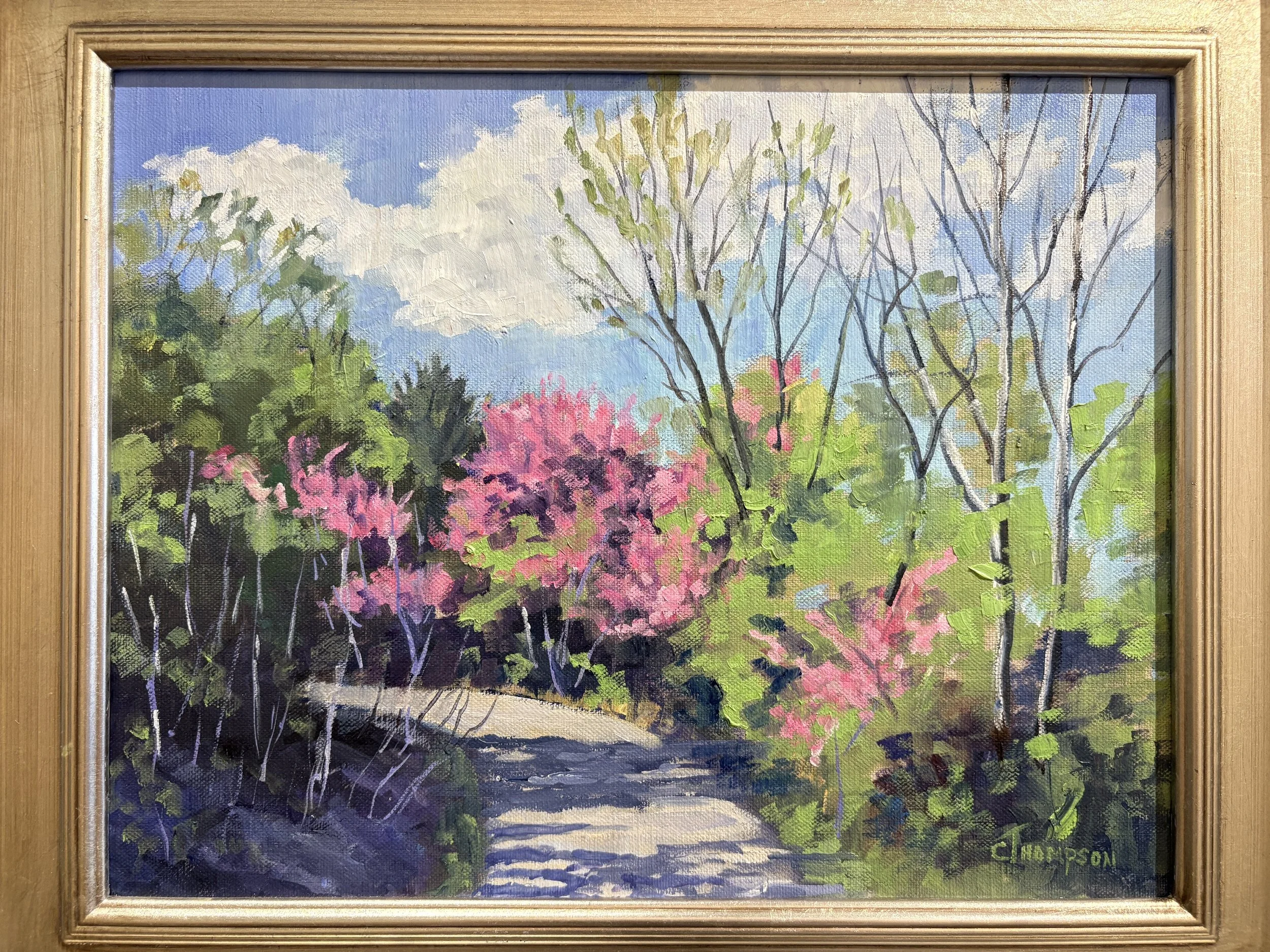
It's About More Than Choosing a Color
One of the most common misconceptions about framing is that the process begins and ends with choosing a frame color. In reality, there are several elements that work together to create a successful design. The profile and width of the frame, the choice of matting, the finish, the glazing, and even the space between the artwork and its frame all contribute to the final presentation. A frame should complement the artwork without competing with it. Sometimes that means choosing something understated that allows the artwork to take center stage. Other times, a more elaborate profile or distinctive finish can bring out something unexpected in the piece.
There isn't one formula that works for everything. Each project deserves its own consideration.
The Importance of Preserving What Matters
Framing is also about protecting the things we value. Original artwork, family photographs, historical documents, and personal memorabilia can be vulnerable to environmental conditions and improper mounting materials. Over time, exposure to light, humidity, pollutants, and unsuitable materials can contribute to fading, discoloration, and deterioration. This is where conservation framing becomes especially important. Using appropriate archival-quality materials, protective glazing, and thoughtful mounting techniques can help minimize potential damage and preserve an item's condition for years to come.
Whether you're framing an original painting or a photograph that has been in your family for generations, it's worth considering not only how the finished piece will look but also how it will be protected.
Some of the Most Meaningful Things We Frame Aren't Artwork
A framing project doesn't have to begin with a painting. Some of the most interesting projects involve objects that carry personal stories and memories. A signed sports jersey, a concert poster, a military medal, a handwritten letter, a child's artwork, or a collection of travel memorabilia can all become meaningful displays. These projects often require a different approach to framing. Three-dimensional objects may need custom shadow boxes, specialized mounting, and carefully considered layouts. The challenge is finding a way to showcase the object while respecting its significance and preserving its condition.
At Parkville Frame Gallery, custom projects are an opportunity to bring creativity and craftsmanship together. No two stories are exactly alike, and the finished presentation shouldn't be either.
The Value of an Experienced Framer
There is a difference between selecting a ready-made frame and working with someone who understands the art and technical considerations behind custom framing. Jason Fewin brings 30 years of industry experience to Parkville Frame Gallery, having worked in both the retail and commercial sides of the framing business. His degree in Art from Park University also informs his approach to design, allowing him to consider each project from an artistic perspective. That combination of experience and creativity matters. Sometimes the best solution is a classic frame that lets the artwork speak for itself. Other times, the right design requires experimenting with materials, finishes, proportions, and techniques.
The process is collaborative. Understanding what a customer values about a particular piece is just as important as understanding the materials used to frame it.
